Revolut to Triple Singapore Workforce in Asian Expansion

Revolut is positioning itself for major expansion in Southeast Asia, announcing plans to triple its Singapore-based workforce over the next three years.
This move follows a period of impressive growth that saw the fintech company double the headcount at its Singapore base between January 2024 and January 2025.
The expansion is being supported by EDBI, the investment unit of the Singapore Economic Development Board.
Revolut says the strategic partnership with EDBI is designed to support the company in improving its product innovation strategy and increasing its presence in Singapore, cementing the city-state as its regional anchor for Asia.
Victor Stinga, Chief Financial Officer of Revolut, says: “This strategic investment from EDBI is a strong endorsement of Revolut's long-term vision in Asia and of Singapore's role as our regional anchor. It strengthens our ability to invest with discipline and ambition, scaling our product capabilities, deepening our regional presence and building resilient operations to support sustained growth.”
Revolut's approach to talent density
Revolut's recruitment strategy is built on a distinctive three-pillar framework that prioritises impact, skills assessment and cultural diversity.
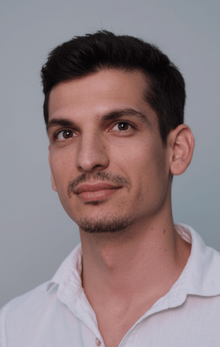
Andrei Oprisor, Head of Revolut People, outlined this approach in a January 2025 company podcast titled “Building talent density: Insights from Sequoia Capital and Revolut”.
The fintech company's hiring managers evaluate candidates by examining their track record of impact, assessing their skills in action and seeking out diverse attitudes and perspectives that could add to the company culture.
Andrei says: “You don't want to end up with an organisation of mercenaries. You want visionary employees – people who truly care about the problems you are solving and get a sense of purpose from what they are doing.”
This methodology centres on developing talent density – maintaining a high concentration of top performers within the business.
According to Andrei, high talent density in an organisation can help build a culture of growth and allow for less rigid processes, as high performers are less likely to need close management.
Skills assessment drives recruitment efficiency
For Revolut, evaluating the skills of candidates plays a particularly important role when hiring top talent. The company requires many candidates to complete a skills test based around the tasks in the role, alongside submitting a CV.
Top performers from these skills tests are automatically shortlisted before their CVs are reviewed. According to Revolut, this approach has cut time to hire by from 30% to 40% while maintaining high talent standards.
This skills-first approach reflects Revolut's commitment to identifying candidates who can demonstrate practical capability rather than relying solely on traditional credentials.
By prioritising demonstrated skills over conventional hiring metrics, Revolut is looking to build teams capable of driving innovation and maintaining the company's competitive edge in the fintech sector.
Revolut's Singapore growth trajectory
Revolut's doubled its workforce in Singapore from January 2024 to January 2025 and has been recognised for how it has maintained high standards while its workforce has grown.
The firm received the "Great Place to Work" accreditation, which recognises organisations that create outstanding employee experiences through trust, pride and camaraderie in the workplace.
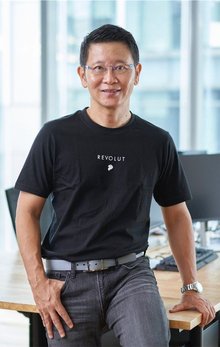
Raymond Ng, CEO of Revolut Singapore and Southeast Asia, shared the news on LinkedIn, saying: “I'm incredibly proud of our Dream Team in Singapore. Their drive, curiosity and commitment to excellence are what make Revolut Singapore the place it is today – and what will take us even further tomorrow.”
The company's "Dream Team" approach – where Revolut operates like a professional sports team that will hire, develop and place elite athletes where they can win – has created a culture of high performance that could be contributing to the company's rapid growth in Singapore.
The award was given based on employee feedback.
Company portals

Executives
Andrei Oprisor
Head of Revolut People
Raymond Ng
CEO, Singapore and Southeast Asia

Victor Stinga
Group CFO & Partner