
How Are Mobile Wallets Reshaping UK Retail Payments?
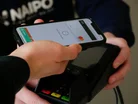
The financial technology landscape in the United Kingdom is experiencing a major transformation caused by changing consumer payment preferences.
The focus is moving from the physical wallet to the mobile phone, creating new opportunities and challenges for the fintech sector.
Data from UK Finance’s 2024 Payment Markets Report indicates that 57% of UK adults now use mobile wallets such as Apple Pay® and Google Pay®, a considerable increase from 42% in the previous year.
This rapid adoption signals a fundamental change in how people manage their money and interact with merchants.
The data points to a broader move towards digital-first finance.
“2024 was a year of firsts, all pointing to the growing move towards digital payments,” says Adrian Buckle, Head of Research at UK Finance.
Buckle explains: “More than half of UK adults used mobile wallets, mobile banking overtook desktop as the main way people access their accounts and cash fell below 10% of all payments.”
This migration is compelling businesses to adapt their payment and operational strategies to a more immediate mobile-centric environment.
Mobile wallets and BNPL adoption
The growth in mobile wallet usage is a key trend for fintech providers.
Card payments continue to be the dominant method, accounting for 64% of all UK transactions, but mobile wallets are capturing an increasing portion of this volume.
Of the 26.1 billion debit card payments in 2024, 18.9 billion were contactless, a figure boosted by the convenience of mobile payments.
The report notes that of those using mobile payments, 44% use them at least weekly, suggesting a high level of engagement once adopted.
Alongside mobile wallets, Buy Now Pay Later (BNPL) services are becoming more established. Usage has grown from 14% to 25% of UK adults.
Klarna® and similar providers have found a strong foothold, particularly in the fashion sector, which makes up 46% of BNPL transactions.
This growth in alternative credit has direct implications for payment processors and financial service companies that must now consider how to integrate or compete with these popular options.
The average spend of £90 per transaction highlights the role of BNPL in facilitating smaller, more frequent online purchases.

The new battleground for customer loyalty
The competition among retailers and service providers is increasingly centred on the payment experience.
Offering seamless mobile wallet and BNPL integrations is becoming a standard expectation for consumers.
A failure to support services like Apple Pay, Google Pay or popular BNPL options could result in a loss of customers to competitors who do.
This change elevates the role of fintech from a back-end utility to a crucial part of the customer-facing value proposition.
This trend also fosters ecosystem loyalty. When mobile wallets are integrated into retail apps, they create a self-reinforcing loop where ease of use encourages repeat business.
This dynamic necessitates a unified omnichannel strategy where payment systems, loyalty programmes and inventory management are interconnected.
Fintech solutions that can bridge the gap between online and in-store payment experiences are positioned to become essential infrastructure for modern commerce.
The rise of BNPL also introduces complexities like increased return volumes, which require robust reverse logistics and financial reconciliation systems.
Regulatory horizons and future payment tech
The regulatory environment for fintech is also evolving.
New rules for the BNPL sector are anticipated in 2026 that will introduce mandatory affordability checks.
These changes could temper the rapid growth of impulse purchases made through BNPL and alter revenue patterns for both retailers and the fintech firms that provide the service.
Financial institutions will need to monitor these developments closely as they could influence credit markets and consumer spending habits.
Looking forward, the decline of cash continues to be a dominant trend. Cash payments fell to 4.4 billion in 2024, making up less than 10% of all transactions for the first time. While approximately 1.2 million adults still depend on cash, this demographic is shrinking.
The demographic for digital payments is broadening, with mobile wallet registration among adults aged 65 and over jumping from 14% to 25% in a single year. UK Finance projects that card payments will constitute 67% of all transactions by 2034.
Emerging technologies like Pay by Bank, which leverage open banking for direct account-to-account payments, could further disrupt the market, creating a new wave of innovation in the fintech space.
Company portals


Executives
Adrian Buckle
Head of Research