How is Visa Helping Develop Syria’s Digital Economy?
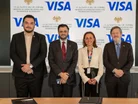
Syria is set to undergo a significant digital transformation following a landmark cooperation agreement between the Syrian Ministry of Communications and Information Technology (MOCT) and global payments leader Visa.
Signed at Visa’s headquarters in San Francisco, the partnership establishes a strategic framework designed to build a modern, inclusive digital economy by focusing on infrastructure, financial inclusion and the growth of the fintech sector.
The collaboration marks a pivotal shift for the Syrian financial landscape, specifically targeting the development of a regulatory sandbox.
This tailored environment will allow fintech start-ups to test products within the Syrian digital economy under relaxed regulatory oversight, fostering a culture of experimentation and technological advancement.

Empowering small businesses and start-ups
Beyond high-level infrastructure, a core objective of the agreement is to integrate micro, small and medium enterprises (MSMEs) into the formal digital economy.
By encouraging the adoption of digital payments and the digitisation of daily business transactions, the MOCT and Visa aim to ensure Syrian businesses meet global interoperability and security standards.
The initiative also includes extensive up-skilling and capacity-building programmes, alongside a focus on cybersecurity and fraud prevention. This provides the necessary safety nets for a population transitioning toward digital-first financial services.
His Excellency Abdulsalam Haykal, Minister of Communications and Information Technology for Syria, says: “Enabling the digital economy is one the Ministry’s top priorities, and so is the enablement of tech start-ups to find sustainable solutions to digital services.
"Our collaboration with Visa reflects our focus on best practices, shaping digital government, payments, and innovation frameworks that serve Syria’s citizens and businesses alike.”
For Abdulsalam, the partnership represents a commitment to implementing global best practices within the local market, ensuring that government digital services are built on robust, scalable foundations.
Driving innovation through competition
To further stimulate the local ecosystem, Visa and the MOCT plan to launch a dedicated Syrian fintech innovation competition.
This initiative will leverage Visa’s global fintech platforms to provide selected innovators with visibility and direct exposure to international partners, investors and regional stakeholders.
Leila Serhan, Visa's Senior Vice President, & Group Country Manager for North Africa, Levant and Pakistan, comments: “The signing of the MoU today builds on our continued engagement and support for establishing a future-ready payments ecosystem in Syria.
"By combining the MOCT’s national digital strategy with Visa’s global payments experience, we will work together on strengthening the core infrastructure needed for a modern digital economy and help digital services in Syria function more reliably and at scale.”
Building a future-ready ecosystem
By gaining access to Visa’s consulting services, the MOCT will be better equipped to execute its broader digital economy plans. The partnership focuses on ensuring that digital services can operate reliably at scale – a necessity for a country looking to modernise its financial touchpoints.
As Leila notes, the goal is to merge national strategy with international expertise to create a resilient payments environment.
With the introduction of the regulatory sandbox and the upcoming innovation competition, the Syrian fintech sector is positioned for a structured period of growth and integration into the wider regional economy.


Executives
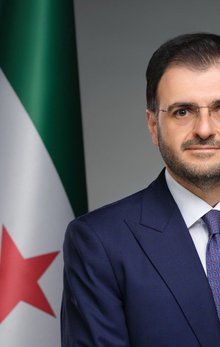
Abdulsalam Haykal
Leila Serhan
Senior Vice President, & Group Country Manager for North Africa, Levant and Pakistan