
Why is HSBC Considering Cutting 20,000 Jobs?

Major workforce reductions could be on the horizon at HSBC, with the banking giant reportedly exploring plans to cut around 20,000 positions within three to five years, reports Bloomberg.
According to Bloomberg sources with knowledge of the discussions, the potential restructuring would primarily target roles that do not involve direct client interaction. The bank appears to be preparing for AI to substantially reduce its staffing requirements across various functions.
A portion of these workforce reductions could materialise through the sale of business units or natural employee turnover, though Bloomberg indicates that conversations remain at an early phase.

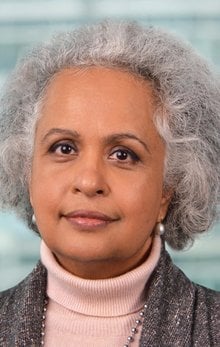
HSBC has not officially responded to the speculation. However, remarks from CFO Pam Kaur at a Morgan Stanley Press Conference suggested cost management was a priority.
According to comments reported by S&P Global Market Intelligence, Pam addressed the bank's approach to managing "staff-related inflation."
She notes: “The real shift where we are doing in terms of our investment is really trying to drive operating leverage whether it's by focusing on scale businesses or indeed focusing on the benefits we can get through AI, whether it's on better productivity around the revenue line or just the cost benefit.
“We want to be able to shift the run-the-bank cost to more 'change-the-bank."
CEO leads structural change
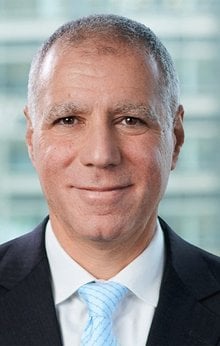
Since assuming the CEO position in 2024, Georges Elhedery has implemented significant operational changes at HSBC. His tenure has been marked by divisional restructuring, strategic divestments and the elimination of several thousand positions.
Upon taking the helm, Georges outlined his vision to establish a "simpler, more dynamic, agile structure at HSBC" to help “fast-forward our plans to execute our strategic priorities".
Workforce figures reflect this transformation. From approximately 220,000 employees at the close of 2023, the bank's headcount has declined to 210,000.
Senior management layers have also been reduced, with Georges explaining to Bloomberg's Leaders with Lacqua programme that he is pursuing greater individual responsibility among top executives.
He said the move allowed the company to go "from 0% single accountability... to now about 60% of our revenue is generated under single accountability. That's important".
Banking sector responds to AI
The transformation at HSBC reflects broader industry trends as financial institutions recalibrate their workforce strategies in response to advancing AI capabilities.
Citigroup has pursued a similar path, with CEO Jane Fraser revealing in early 2024 that approximately 20,000 positions would be eliminated over two years as part of efforts to streamline organisational complexity. By early 2026, 10,000 of those reductions had been completed.
Jane shared her perspective on the technology's impact with the Washington Post: "AI has the potential to make tremendous changes. It's going to create huge numbers of new jobs that we can't even imagine what they are today. It will change the nature of what people do every day … And it will take some jobs away."
Strategic workforce planning becomes critical
JPMorgan Chase represents another institution actively managing workforce transitions alongside AI deployment.
The firm has developed what CEO Jamie Dimon describes as “huge redeployment plans” to address workforce displacement resulting from increased AI adoption.
During the company's annual investor day in January 2025, Jamie outlined the firm's approach to managing employee displacement.
He said: “We spoke about it today and we have to up that a little bit so we can take people who are displaced – and we have displaced people from AI – and we offer them other jobs.”
Jamie emphasised that business leaders across the sector should be developing contingency strategies for potential workforce disruption as AI investment accelerates.
"I'm not predicting [it] can be a problem," he noted. "I'm simply saying now's the time to start thinking about what you do if it does."
Company portals



Executives
Georges Elhedery
Group CEO
Jamie Dimon
Chairman of the Board
Jane Fraser DBE
Chief Executive Officer
Pam Kaur
Group Chief Financial Officer